

Boil Water Advisory Day 11,459: Neskantaga First Nation Responds To Canada’s New Bill C-37 First Nations Clean Water Act
MEDIA RELEASE
June 17, 2026 FOR IMMEDIATE RELEASE
BOIL WATER ADVISORY DAY 11,459: NESKANTAGA FIRST NATION RESPONDS TO CANADA’S NEW BILL C-37 FIRST NATIONS CLEAN WATER ACT
Neskantaga First Nation, ON – In the House of Commons yesterday, the Honourable Mandy Gull-Masty, Minister of Indigenous Services (MP Abitibi—Baie-James—Nunavik—Eeyou, Quebec) introduced Bill C-37 the proposed First Nations Clean Water Act, and the Neskantaga First Nation Chief and Council issue the following statement:
“The People of Neskantaga First Nation have lived the reality and impacts of a long-term boil water advisory for over 31 years. Canada is presenting this proposed legislation as recognizing our First Nations Section 35 rights to self-government and the novel recognition of First Nations jurisdiction over water. Canada has failed our people when it comes to providing access to clean water. From Chretien to Carney, five Prime Ministers have failed to ensure real action at the First Nation local level is taken to address this basic quality of life issue
Neskantaga First Nation reminds Canada that First Nations jurisdiction over water is as equally fundamental as First Nation jurisdiction over our lands and territories.
Firstly, the First Nations Clean Water Act Bill C-37 is fundamentally flawed as it is an unacceptable tool of delegated authority. If Canada truly recognized First Nations jurisdiction over water, and the UNDRIP principle of free, prior and informed consent – then First Nations would have an equal role at the Canada Water Agency that has been established at arms length from direct First Naton engagement and decision-making. Instead, Canada and the Minister of Indigenous Services will place First Nations at a legislated table only amongst ourselves in Bill C-37’s proposed First Nations Water Commission.
Secondly, Bill C-37 holds space for First Nations who are modern treaty or self-government agreement holders. There is no recognition of the inherent challenges of First Nations who are historic treaty signatories, facing provincial governments who unilaterally view the treaties as land surrenders. Cooperation and negotiations with provinces that hold legally adverse positions to the Spirit and Intent of Treaty is going to prove unproductive.
In closing, the current state of long-term boil water advisories on reserve is an indicator of the ongoing and documented infrastructure gap on-reserve; all on-reserve infrastructure should be comparable to the standard of living Canadians expect to maintain dignity, equality and health.”
— 30 —
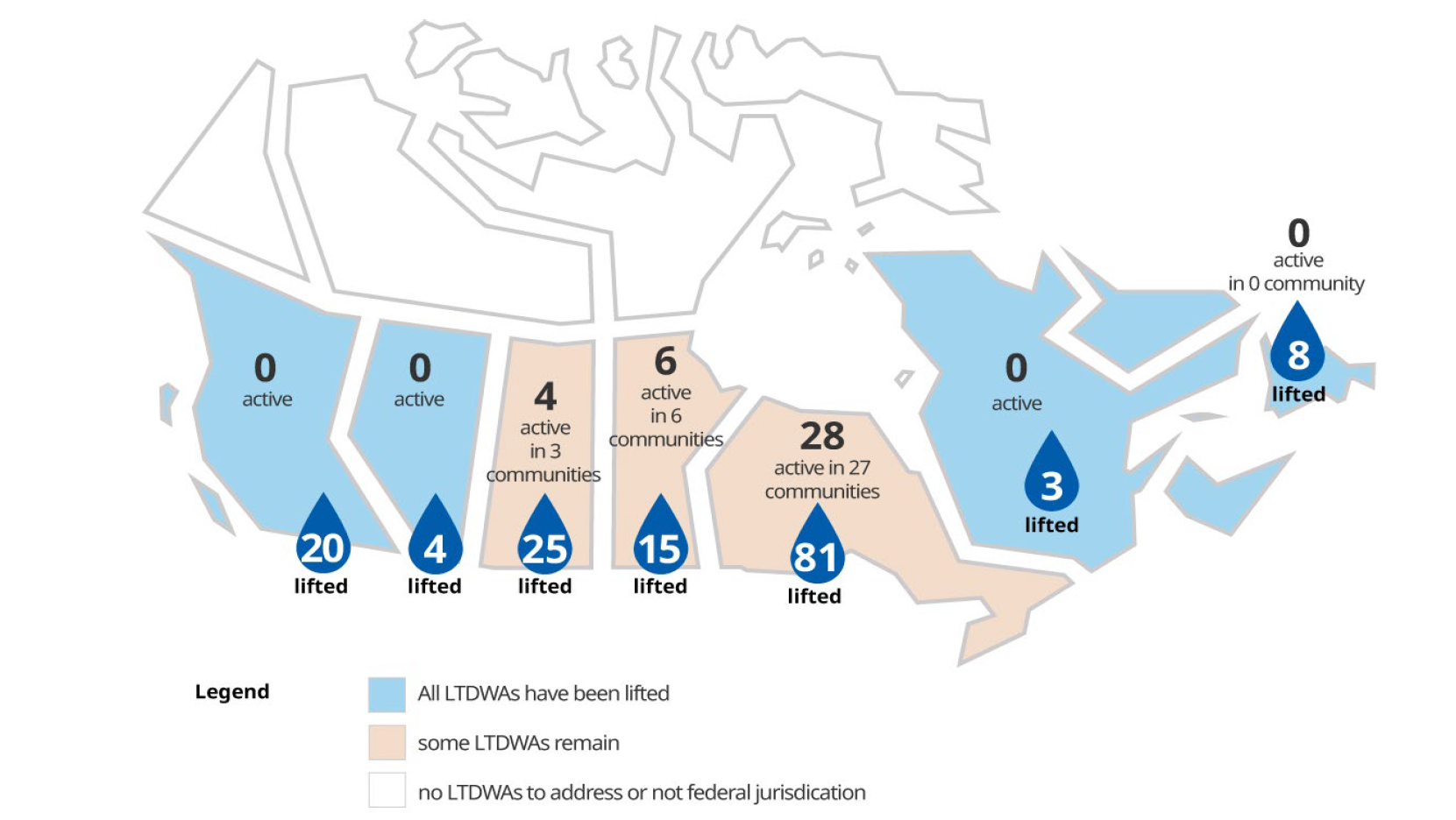
Indigenous Services Canada: Active long-term drinking water advisories